



NCIC Commissioners Take Oath of Office
Bishop Dr. Kepha Nyamweya Omae has been sworn in as Chairperson of the National Cohesion and Integration Commission (NCIC), alongside seven commissioners, in a ceremony presided over by Chief Justice Martha Koome at the Supreme Court of Kenya on Wednesday, 20 May 2026. The swearing-in marked the formal commencement of the Commission's fourth cohort of leadership, at a critical moment as the country approaches the 2027 General Election.
The incoming leadership assumes office with a clear mandate to promote national unity, combat hate speech, prevent ethnic and political tensions, and foster peaceful coexistence across the country. Speaking at the ceremony, Bishop Dr. Omae issued a firm caution against political violence and divisive rhetoric, underscoring that no political interest outweighs the value of human life and national peace. "No election, no office, no ambition is worth the blood of a Kenyan," he said.
He affirmed that the Commission would prioritise healing existing divisions and rebuilding public confidence in institutions mandated to safeguard national cohesion, noting that Kenya continues to grapple with ethnic, political and social fault lines that, if left unaddressed, pose a serious risk to peaceful coexistence.
The seven commissioners sworn in alongside the Chairperson are Ms. Irene Chepoisho Tulel, who was subsequently selected as Vice Chairperson, Dr. Samuel Mwachiro Mwawasi, Jackson Swadi Kedogo, Ms. Jerusha Mwathime Michael, Mr. Joseph Kingori Nguyo, Ms. Josphine Kirion Eragae, and Mr. Hassan Billow Ahmed. The new team begins a six-year term amid growing concern over rising political intolerance and early mobilisation ahead of the next election cycle, a period in which the Commission's role in anchoring national cohesion is more critical than ever.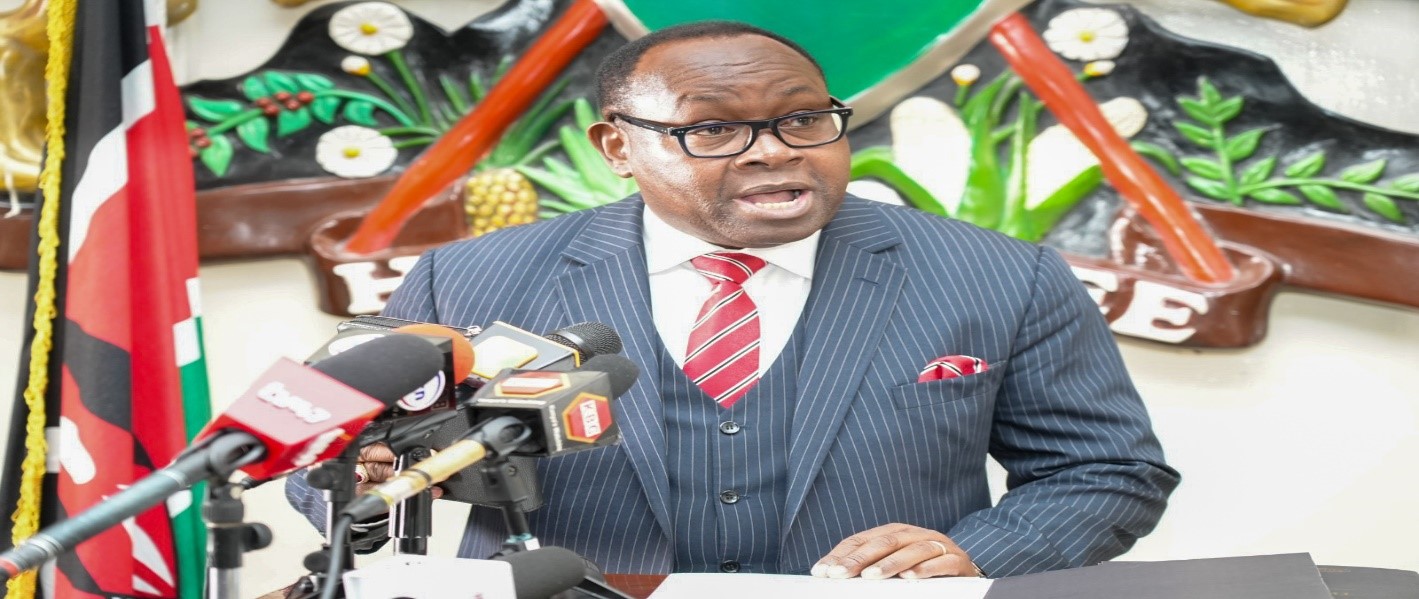
Bishop Dr. Kepha Nyamweya Omae takes oath of office as the new NCIC chairman on 20th May 2026.
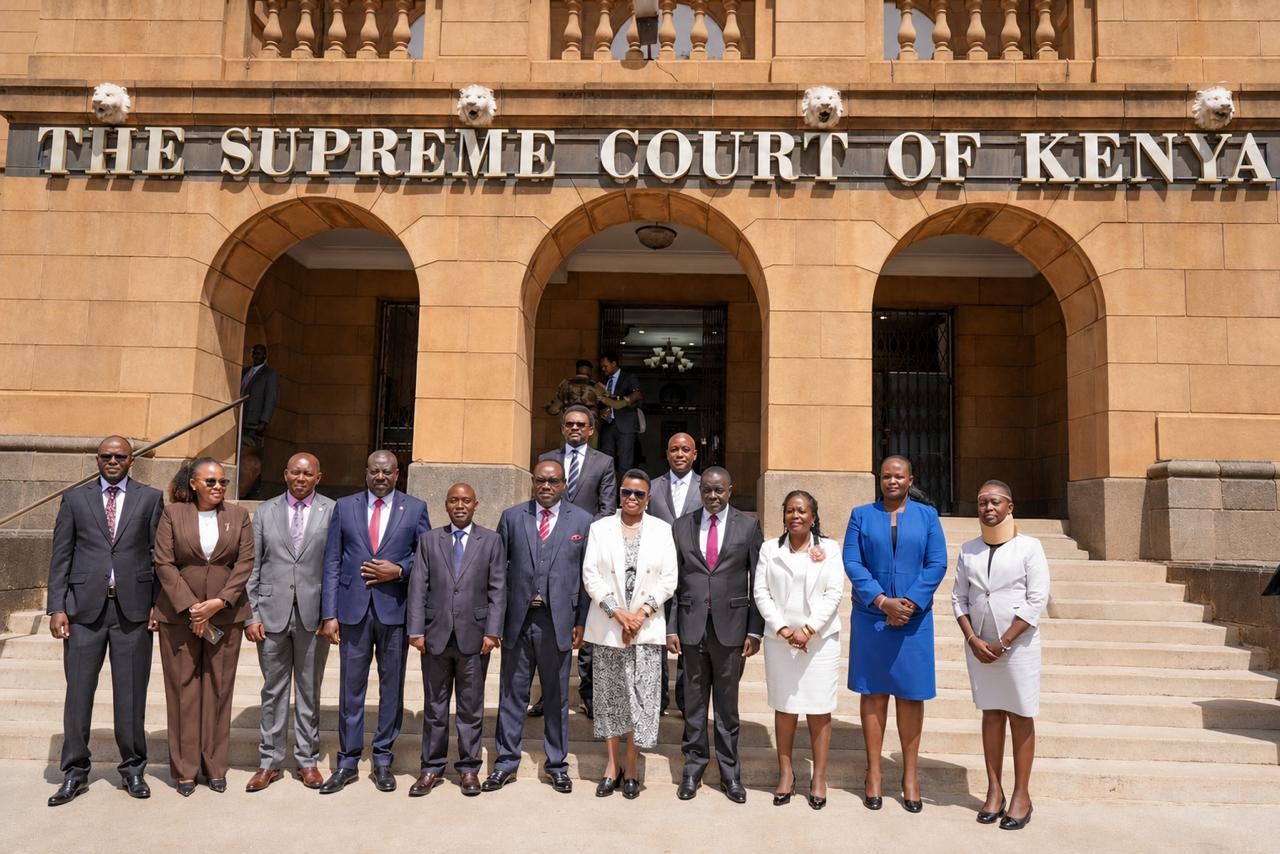
Newly sworn in NCIC Chairman and Commissioners pose for a photo with Chief Justice Martha Koome outside the Supreme Court on 20th May, 2026.
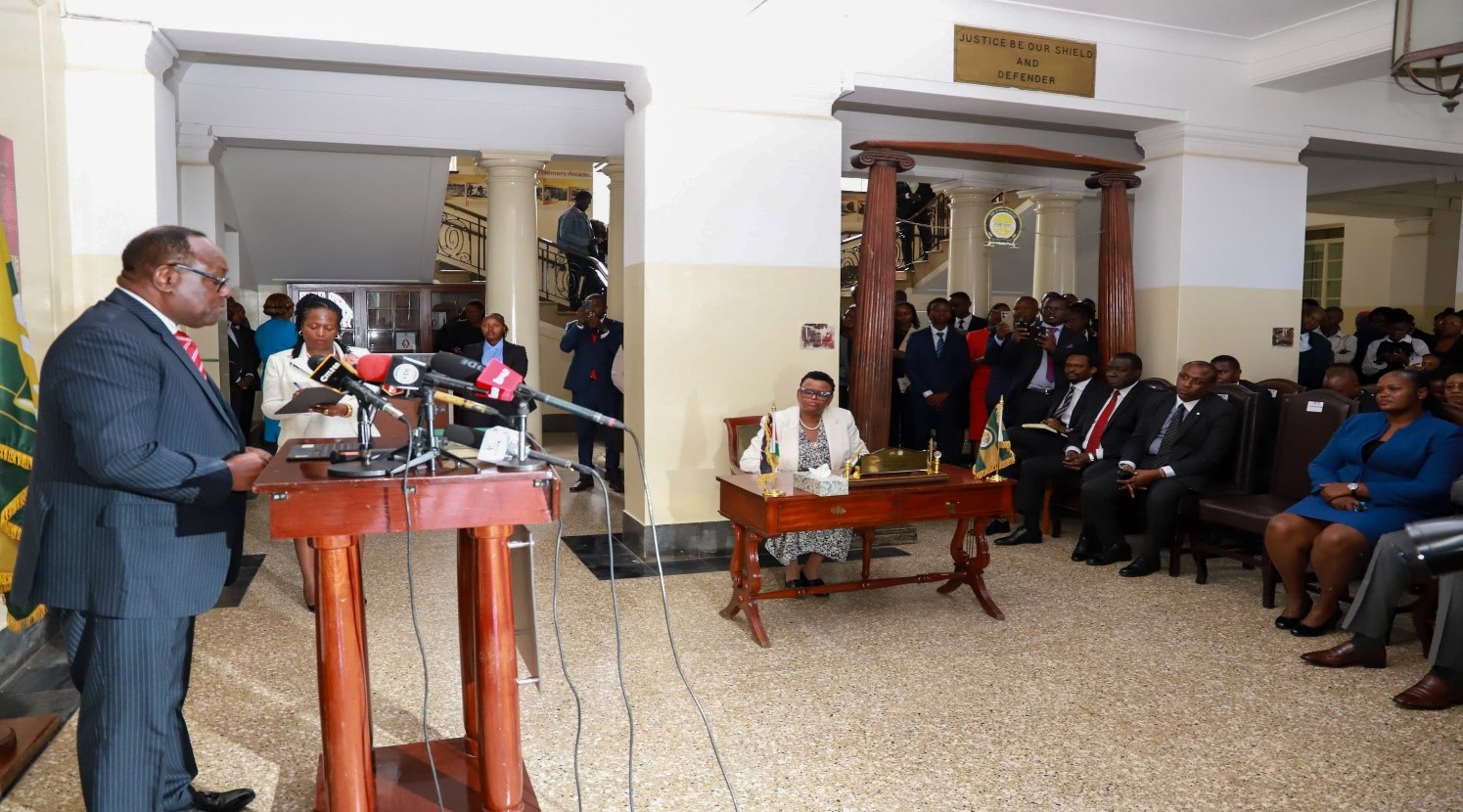
NCIC Chairman Bishop Dr. Kepha Wamae gives his inaugural speech at Supreme Court Building following his swearing in as the new NCIC Chairman on 20th May, 2026.
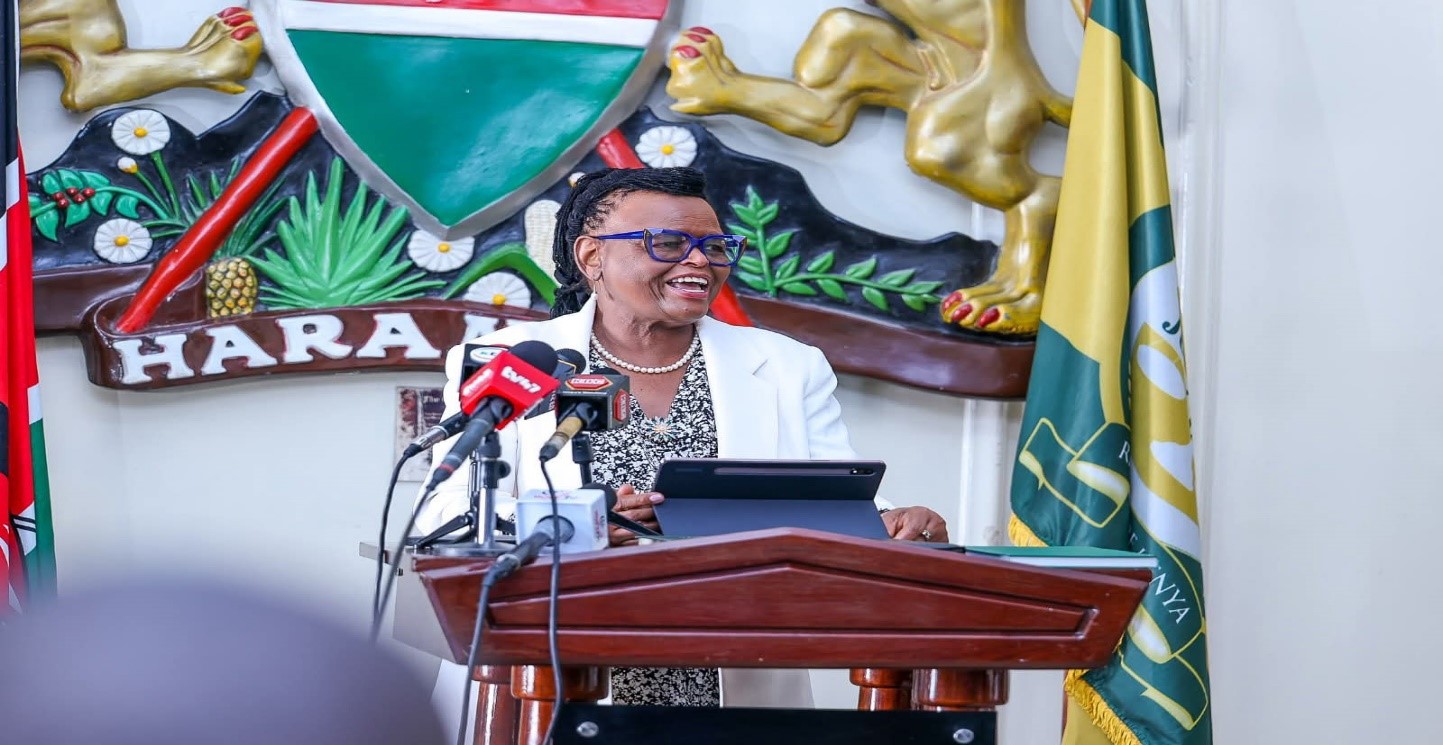
Chief Justice Martha Koome addressing the newly sworn in Commissioners at the Supreme Court on 20th may 2026.
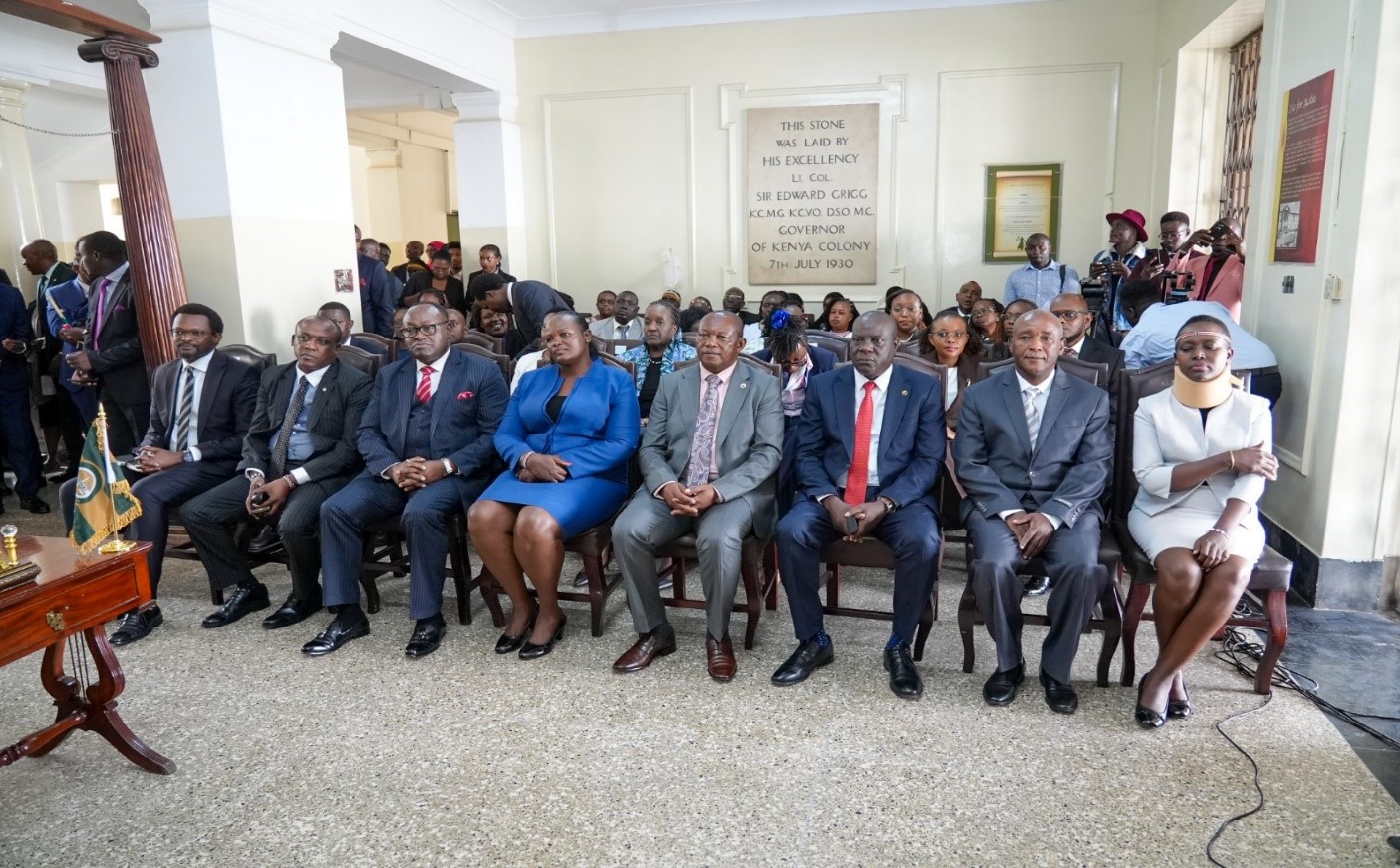
Chairman, Commissioners and other guests follow through the proceedings of the swearing in ceremony at the Supreme Court on 20th May 2026.
A Push Against Hate Speech in Kenya Through Sports and Dialogue

Mumias East Member of Parliament, Peter Salasya, during the Peter Salasya Peace Campaign Tournament at Jacaranda Grounds, Nairobi, on 25th January 2026.
On a warm Sunday afternoon, 25th January 2026, at Nairobi’s Jacaranda Grounds, an unusual but powerful scene unfolded. What began as a court directive evolved into a national conversation on peace, accountability, and the shared responsibility of fighting hate speech, both online and offline.
Mumias East Member of Parliament, Hon. Peter Salasya, officially launched a 14-day nationwide peace and cohesion campaign through a peace football match and dialogue. This followed a hate speech case linked to his social media use. Drawing over 1,000 participants, mostly youth, the forum demonstrated the growing appetite for dialogue and responsible civic engagement.
“This journey is about humility and sincerity,” Hon. Salasya stated. “I take responsibility for my words, because words can either heal a nation or tear it apart. I call upon political leaders to seek electoral support through issue-based campaigns rather than exploiting tribal or ethnic divisions.” His remarks reflected a broader shift from punitive justice to restorative accountability, enabled through collaboration between the Judiciary, the National Cohesion and Integration Commission (NCIC), the Office of the Director of Public Prosecutions, and grassroots civic platforms such as Jacaranda Bunge la Mwananchi.
The campaign underscored the dangers of inflammatory rhetoric in an increasingly digital society. “Peace is not silence,” Salasya emphasised. “Peace is a conscious choice, to choose dialogue over destruction, wisdom over anger.” He warned that unchecked online speech often spills into real-world violence, urging citizens to verify information and reject divisive narratives.
NCIC’s involvement highlighted the importance of institutional coordination in preventing conflict, particularly ahead of the 2027 General Elections and beyond. Through legal oversight, civic education, and community engagement, institutions are reinforcing constitutional values while empowering citizens, especially youth, to become peace ambassadors.
“Social media can unite us or divide us; the choice is ours,” Salasya noted. “Every post, every share, is a moral decision.” Drawing from his personal experiences during visits to Rwanda, Tanzania, and Ethiopia, Salasya shared reflections on how deliberate efforts toward cohesion, discipline, and national unity have contributed to peace and stability in those countries. He urged Kenyans to emulate these examples.
As Kenya navigates a politically sensitive period, the Jacaranda forum stood as a reminder that combating hate speech requires more than laws, it demands leadership, collaboration, and everyday choices rooted in respect, restraint, and shared nationhood.
Marsabit County Hosts Inaugural Townhall Forum
Marsabit County played host to the inaugural Transgenerational Conversations Townhall Forum on Thursday, July 24, 2025—an initiative spearheaded by the National Cohesion and Integration Commission (NCIC) in partnership with the Kenya Broadcasting Corporation (KBC), and supported by the United Nations Development Programme (UNDP) and the Korea International Cooperation Agency (KOICA).
The forum brought together youth, elders, religious leaders, and community stakeholders for a candid exchange of ideas aimed at strengthening governance, accountability, and social cohesion in Kenya. Marsabit, a region often marked by cycles of conflict driven by political competition, ethnic tensions, and resource disputes, served as a symbolic and strategic location for this dialogue.
Welcoming participants, Deputy County Commissioner Mr. David Saruni underscored the importance of such engagements, particularly in a county with a predominantly youthful population. The town hall addressed pressing issues including youth unemployment, insecurity, and inter-community tensions.
NCIC Commissioner Dr. Makori pointed to last year’s Gen-Z-led protests over the finance bill as a reflection of youth exclusion in policymaking. “It is important that we have people-led conversations as we conduct this live show—the audience has a lot to table,” he said.
Stephen Roba shared his efforts to establish a youth employment welfare centre in collaboration with the county government, while Farida Mohamed highlighted that over 60% of Marsabit’s population comprises unemployed youth under 25—a factor fuelling ethnic divisions and clan-based incitement. She urged young people to explore digital opportunities beyond traditional employment. Sheikh Mohamed Kuli reminded parents of their role in shaping future leaders, saying, “Let us remember to set a good example for these children.”
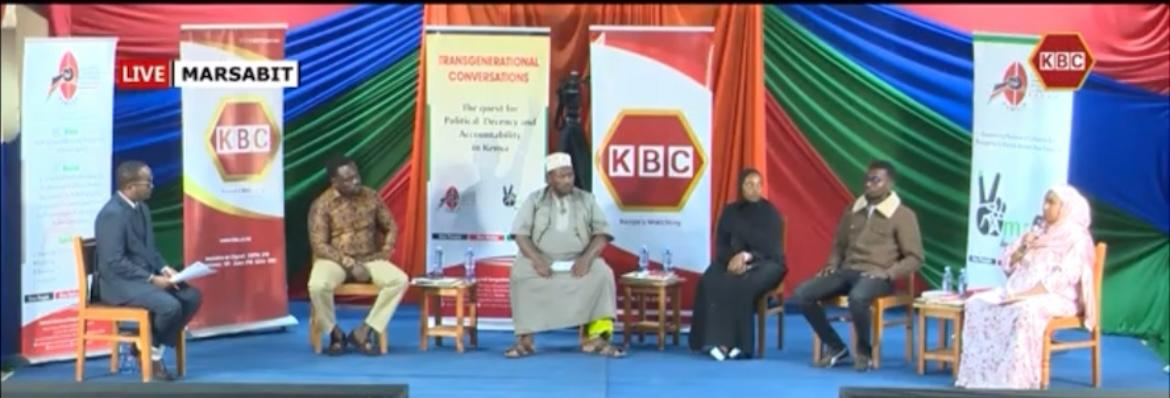
Panelists during the TransGenerational conversations in Marsabit County
Nairobi County: Transgenerational Conversations Take Centre Stage In Informal Settlements
The National Cohesion and Integration Commission (NCIC) in partnership with United Nations Development Programme (UNDP) and Korea International Cooperation Agency (KOICA), conducted a series of Transgenerational Conversations to foster inclusive Governance and Accountability in the informal settlements of Nairobi. The Conversations took place from Monday, 8th of September to Wednesday, 10th of September 2025 in Kangemi, Kawangware and Kibera respectively.
The forums were graced by NCIC Chairman Rev. Dr. Samuel Kobia, Vice Chairperson, Hon. Dr. Dorcas Kedogo, Commissioner Hon. Abdulaziz Farah Director Research and Knowledge Management Ms. Millicent Okatch, County Government officials among other officials. The Transgenerational Dialogue Initiative was launched in the wake of social unrest driven primarily by Gen Z, leading to an urgent necessity for structured dialogue between generations to foster peace and understanding.
Speaking at the forum, NCIC Chairman Rev. Dr. Samuel Kobia called on the youth to participate constructively in national discourse. “I want to assure the gathered residents, especially the passionate young GenZ voices, that NCIC has come not to provoke but to listen, we are creating a space of safety, promising that every opinion is welcome without fear of punishment, so long as it steered clear of hate”.
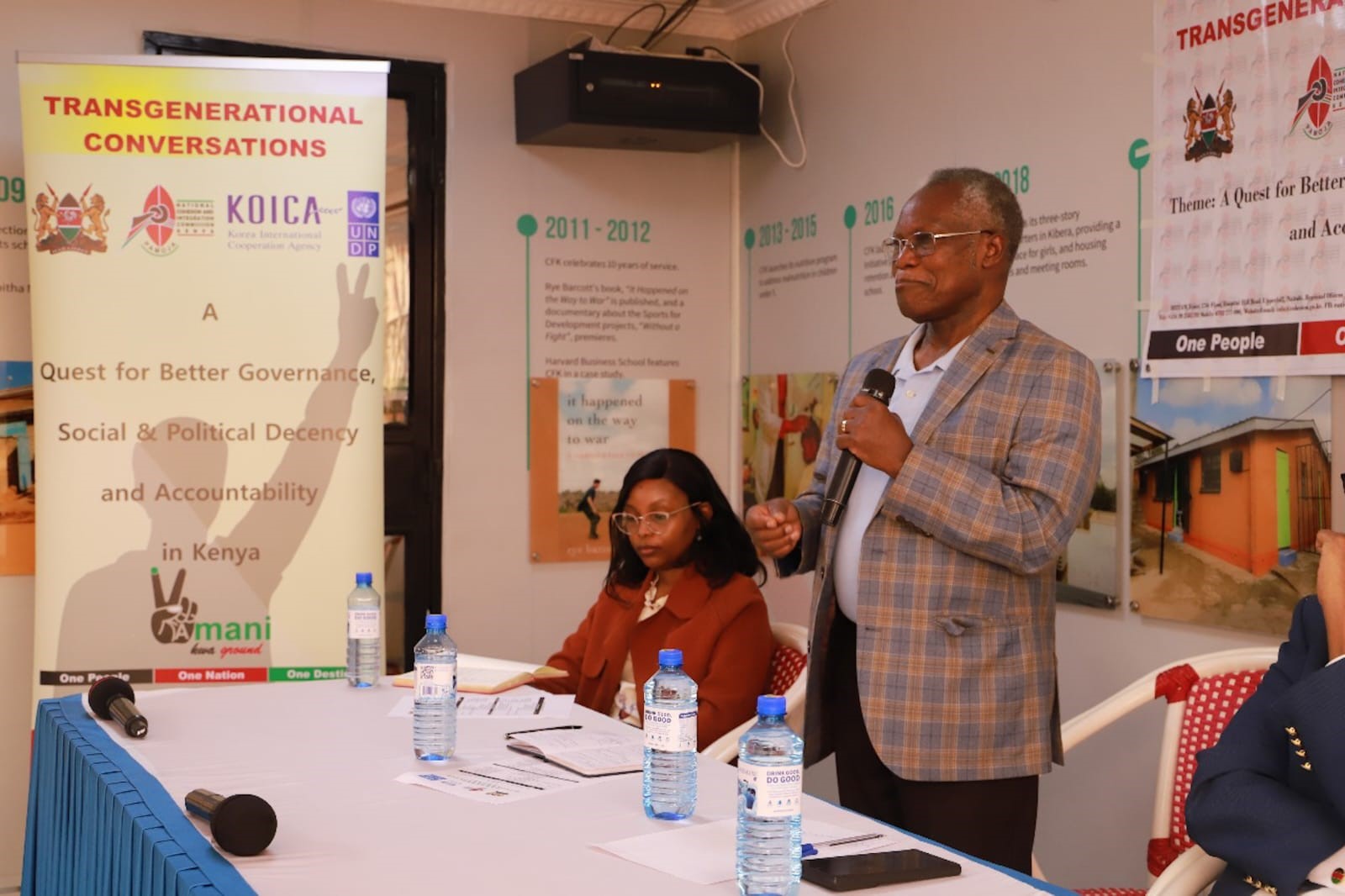
NCIC Chairman Rev. Dr. Samuel Kobia addresses the participants of the transgenerational conversations forum held at CFK Hall in Kibra on 10th, September 2025.
NCIC Commissioner Hon. Abdulaziz Farah, addressed the government's urgent need to initiate change for the youth. He emphasized that young people are demanding tangible improvements to their welfare economically, politically, and socially. They are no longer satisfied with promises but want to see results.
To meet this demand, the Commissioner proposed a clear solution, to bring all key institutions under one unified recruitment roof. This consolidated system, he argued, would ensure a fair and transparent process where employment is based on merit, guaranteeing that the best candidate is always selected for the job.
Assistant County Commissioner Ms. Hellen Manyonyi who represented national government, made a passionate call for civic engagement. She urged residents to actively attend public Barazas and participation forums, reminding them that "the power belongs to the people" and that fulfilling this civic duty is crucial for good governance.
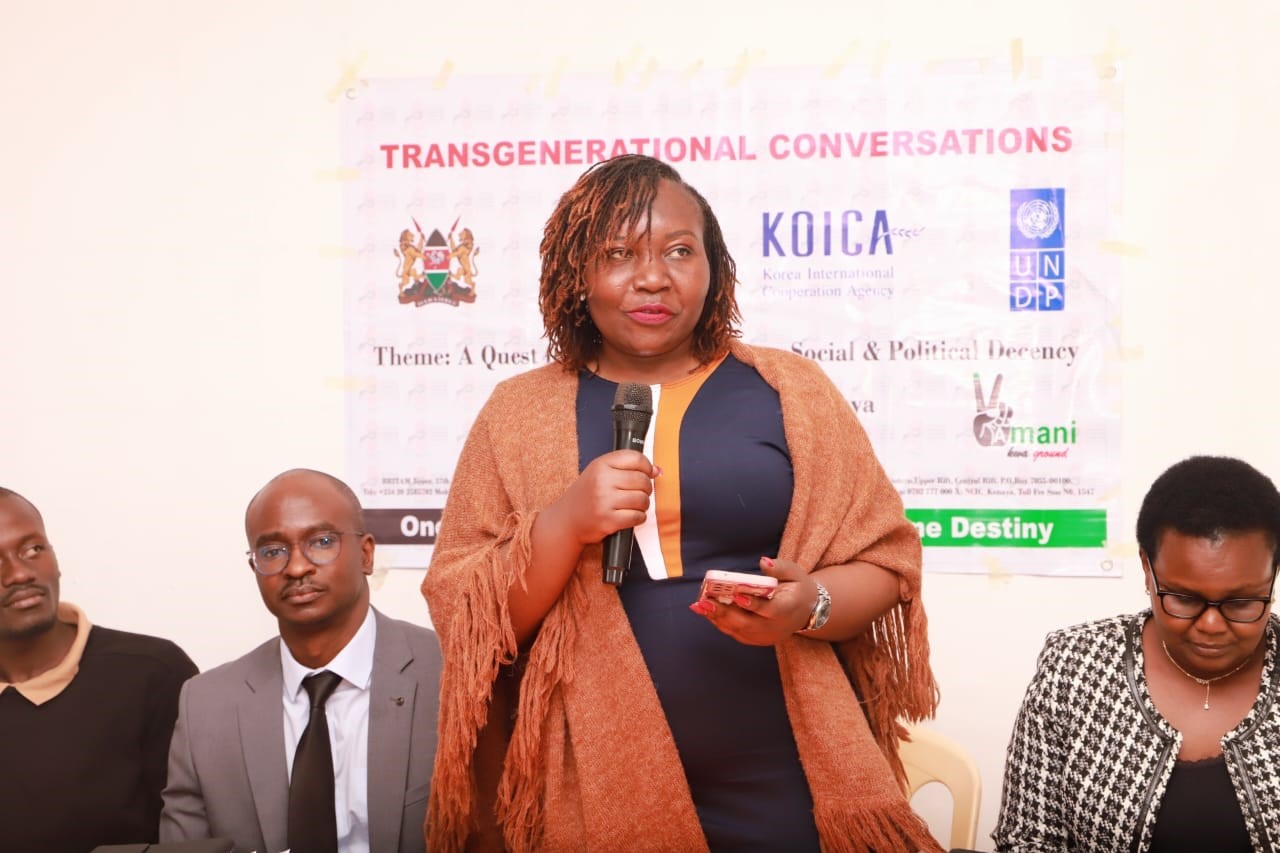
Ms. Hellen Manyonyi, Assistant County Commissioner Speaking during the Transgenerational Conversations in Kawangware on 9th September, 2025
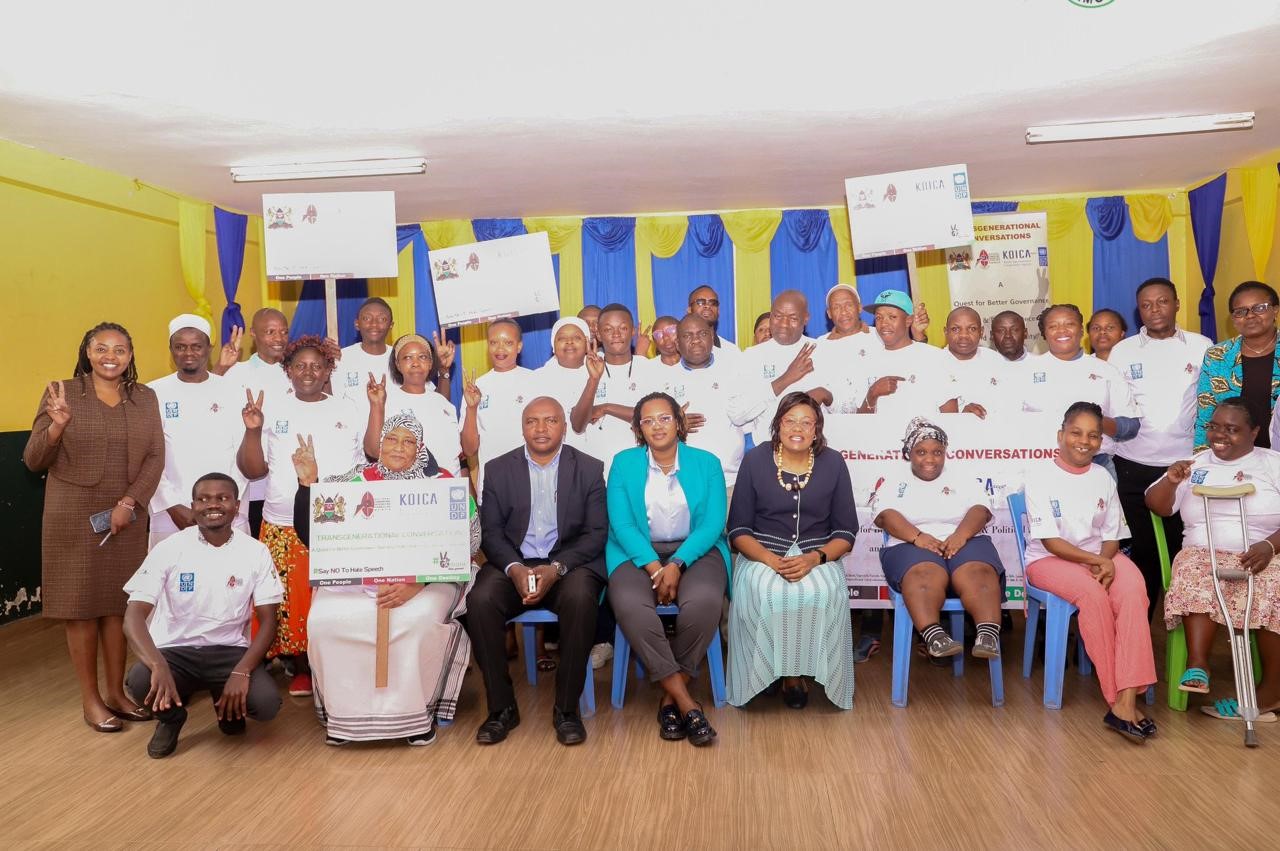
NCIC Vice Chairperson Hon. Dorcas Kedogo alongside other participants during the Transgenerational conversation forum held at Kangemi Social Hall in Kangemi, on 8th September 2025.
A GenZ representative, highlighted the deep-seated mistrust that discourages many young people from attending public forums, fueled by a fear that their voices are not taken seriously. She pointed to a prevailing sense that the government does not listen to youth, nor does it implement their ideas, leading to widespread disengagement.
She also addressed gender inequality, stressing that women often lack respect and opportunities. She called for greater investment in educating and empowering women, emphasizing that involving women in development matters is essential, as they urgently need more exposure and inclusion.
The message echoed was clear, the future won't be given, it must be built with voice, with action, and with an unwavering demand for a seat at the table.
NCIC Leads Groundbreaking Peace Forums in Kakuma to Strengthen Host-Refugee Cohesion
In a landmark effort to promote peaceful coexistence and social integration, the National Cohesion and Integration Commission (NCIC) hosted a week-long series of consultative forums from May 27th to 31st, 2025, in Kakuma, Turkana County. The initiative brought together political leaders, humanitarian agencies, host communities, and refugee representatives to address long-standing challenges and chart a path toward sustainable peace.
Held across five days, each forum focused on a specific constituency or stakeholder group, allowing for targeted discussions and inclusive participation. Political leaders—including Members of County Assembly (MCAs) and Ward Administrators—joined representatives from organizations such as UNHCR, RCK, World Vision, DRS, Don Bosco, Peace Wind Japan, and Windle International. The forums also welcomed youth, women, elders, and leaders from both host and refugee communities.
The event kicked off with a courtesy visit by NCIC Commissioner Hon. Abdul Aziz Ali Farah to UNHCR Kakuma Sub-office Head Mr. Nanduri Sateesh, reaffirming NCIC’s commitment to collaboration with humanitarian partners. Throughout the week, discussions tackled critical issues such as unequal access to resources, marginalization, land disputes, and lack of representation—barriers that have historically strained relations between host and refugee populations.
One of the critical sessions was the meeting with the hosting community, where residents voiced their concerns and learned about NCIC’s upcoming two-year integration programme. Similarly, the final day’s dialogue with refugee representatives provided firsthand insights into the root causes of conflict and the challenges of maintaining peace in Kakuma.
Commissioner Farah emphasized that peace is not only a constitutional imperative but also a cornerstone of sustainable development. “We must walk together in this journey of peacebuilding,” he urged, calling for shared responsibility and stronger partnerships.
The forums yielded several key outcomes: enhanced understanding between stakeholders, renewed commitment to social integration, and the foundation for future programs tailored to the unique needs of Kakuma’s diverse population. NCIC’s Deputy Director of Peacebuilding and Reconciliation Mr Liban Guyo reinforced the Commission’s mandate to eliminate ethnic discrimination and hate speech, and to foster unity.
This initiative marks a significant step toward building one Kenya—where diversity is embraced, voices are heard, and communities thrive together in peace.
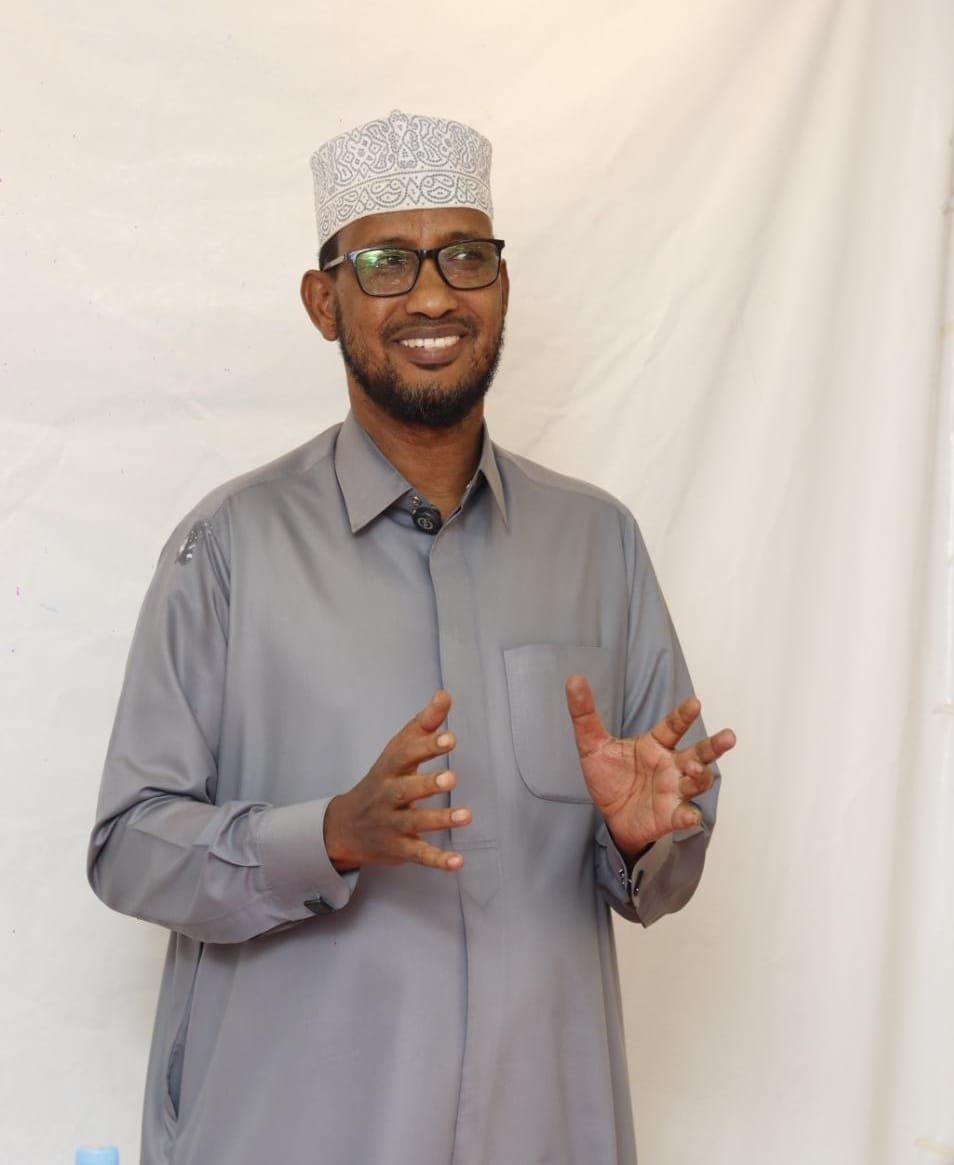
NCIC Commissioner Hon. Abdulaziz Farah making the opening remarks during the Peace Forums in Kakuma, Turkana County
Quick Links
Contact Details
National Cohesion and Integration Commission
Britam Towers, 17th Floor, Hospital Rd, Upper Hill
P. O. Box 7055-00100 Nairobi
Telephone Contacts
0702 777 000
+254-20-2585702
Toll free SMS : 1547

Facebook: National Cohesion and Integration Commission
Twitter: NCIC_Kenya